Amazon Account Health Rating (AHR) Explained: How It Triggers a Suspension
Posted on May 14th, 2026
For years, Amazon sellers had to guess which combination of metrics, policy warnings, and customer complaints would tip their account into suspension territory. The amazon account health rating changed that. AHR is the single score that now determines whether your account is “Healthy,” “At Risk,” or “At Risk of Deactivation.” It does not eliminate suspensions — but it gives sellers, for the first time, a visible early-warning system.
This guide explains exactly how AHR works, what raises and lowers the score, what the threshold numbers mean, and what to do when your account drops below a healthy range.
What the Amazon Account Health Rating Actually Measures
AHR is a composite score visible in Seller Central under Account Health. It rolls multiple factors into a single 0-to-1,000 scale and assigns a status label based on that score:
- Healthy (above 200) — the account is in good standing.
- At Risk (100 to 200) — Amazon is signaling that account performance has issues that need correction.
- At Risk of Deactivation (below 100) — account suspension is imminent unless corrective action is taken.
The score is dynamic. It rises when policy issues are resolved, when warnings expire, or when sellers complete required actions. It falls when new violations are recorded, when customer complaints stack up, or when policy notifications go unaddressed.
What Counts Toward Your AHR Score
The Account Health Rating is not driven by a single metric. Several inputs are blended:
- Policy compliance. Intellectual property complaints, product authenticity issues, product safety warnings, listing policy violations, restricted product issues, and any other policy event recorded against the account.
- Customer experience. Order Defect Rate, Negative Feedback Rate, A-to-z claims, and chargebacks.
- Shipping and fulfillment. Late Shipment Rate, Pre-Fulfillment Cancel Rate, Valid Tracking Rate, and on-time delivery performance.
- Account-level signals. Verification status, document review status, and historical violation patterns.
Not every event weighs equally. A single intellectual property complaint can drop the amazon AHR score significantly more than a few late shipments. Counterfeit allegations carry the heaviest weight of all.
Understanding the Account Health Threshold for Suspension
The account health threshold Amazon publishes is straightforward: an AHR below 100 puts the account in the “At Risk of Deactivation” tier. But the practical threshold for suspension is sometimes higher than 100, depending on the trigger event. A serious policy violation — counterfeit allegations, product safety issues, multiple intellectual property complaints in a short window — can lead to suspension even when the visible AHR score is still in the “At Risk” tier or briefly above it.
The score is best understood as a status indicator, not a guarantee. A score of 250 with a clean trend is far safer than a score of 250 with three pending IP complaints. Sellers should watch both the number and the trajectory.
What Drops Your AHR Score Fastest
In our Amazon Seller Performance team work, the most common AHR-killers we see are:
- A single counterfeit complaint.
- Multiple intellectual property complaints within 30 days.
- Product safety complaints (especially in categories like supplements, electronics, and children’s products).
- A spike in Order Defect Rate above 1%.
- Late Shipment Rate above 4%.
- Multiple A-to-z claims filed in a short window.
- Failure to respond to Amazon’s verification or documentation requests within the required timeframe.
- Repeated buyer-seller messaging policy violations.
Many sellers do not realize how heavily Amazon weighs compliance events compared to performance events. A single serious policy issue can outweigh weeks of clean operating metrics.
How to Read the Account Health Dashboard Correctly
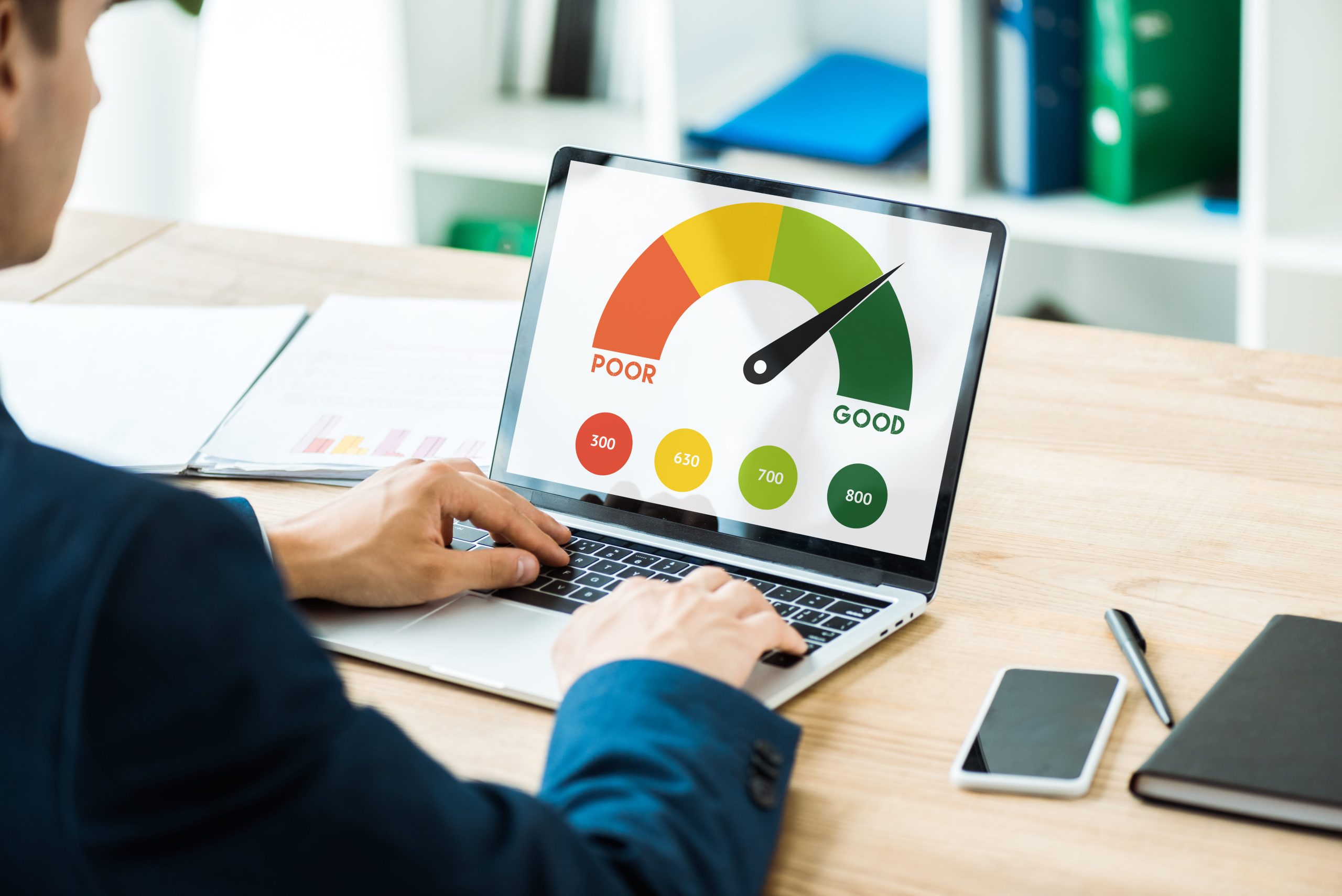
The account health dashboard suspension warnings can look ambiguous if you do not know what to focus on. When checking the dashboard, look for:
- The numeric AHR score. Track it weekly — the trend matters more than the snapshot.
- Open policy violations. Any item flagged as “Action Required” needs immediate response.
- Pending decisions. Listings under review, accounts under verification, or ASINs flagged but not yet removed.
- Performance notifications. Each one has a timestamp and a required response.
The dashboard is also where Amazon posts the formal countdown when an account is at risk of deactivation. Once that countdown appears, the seller has a narrow window to act.
How to Recover an At-Risk AHR Score
When AHR drops into the “At Risk” or “At Risk of Deactivation” tier, the recovery playbook follows a consistent pattern:
- Triage every open policy violation. Address each one separately rather than submitting a single broad response.
- Submit Plans of Action where required. Each unresolved violation typically requires its own POA with documentation.
- Fix performance metrics. If LSR, ODR, or Cancel Rate are out of policy, deploy operational fixes (better inventory management, faster processing, clear refund policies) and document the change.
- Address customer experience triggers. Respond to outstanding A-to-z claims, work with buyers on negative feedback that may be removable, and clear messaging-policy items.
- Document everything. Amazon’s algorithm responds to evidence of corrective action, not promises of future change.
For systemic guidance on responding to alerts, our breakdown on how to manage performance alerts walks through each alert type. If the dashboard already shows a deactivation countdown, our account suspension services team can intervene before the timer runs out.
How AHR Differs Across Marketplaces
AHR is rolled out across Amazon marketplaces, but with subtle differences. Thresholds, what counts as “compliance,” and how quickly the score updates can vary between the US, EU, UK, and emerging marketplaces. Sellers operating in multiple regions should monitor each marketplace’s AHR separately — a healthy score on the US marketplace does not protect a struggling score on the UK marketplace.
Common Mistakes Sellers Make With AHR
Recurring errors that cost sellers their accounts include:
- Ignoring an “At Risk” status because the account is still selling normally (it will not stay that way).
- Submitting a generic Plan of Action that addresses only the most visible violation while leaving others unresolved.
- Trying to game the score by removing listings without addressing the underlying compliance issue.
- Waiting until the deactivation countdown begins to act.
- Treating AHR as if only performance metrics matter — when policy compliance carries far more weight.
Each of these turns a recoverable situation into a suspension.
Protect Your Amazon Account Health Today
If your Account Health Rating has dropped below 200 — or worse, below 100 — the time to act is now, not when the deactivation countdown begins. Call (954) 302-0900 for a free case review. Our team can identify the violations driving the score down and build the Plans of Action needed to restore it before suspension.
Frequently Asked Questions About Amazon Account Health Rating
- What AHR score is considered safe?
Scores above 200 are considered Healthy by Amazon. Scores between 100 and 200 are flagged as At Risk. Below 100, the account is at risk of deactivation.
- How fast does my AHR score update?
The score updates daily but reflects events that may be hours to days old. Some policy events take longer to register because they are reviewed manually.
- Can a single IP complaint suspend my account through AHR?
Yes, in some cases. Particularly serious complaints — counterfeit, safety, or intellectual property infringement — can drop the score significantly in a single event and trigger immediate review.
- Does AHR affect Buy Box eligibility?
Indirectly. Account Health is one of the inputs into Amazon’s Buy Box algorithm, and accounts in the At Risk tier often lose Buy Box share even before suspension.
- Can I appeal an AHR score?
The score itself cannot be appealed, but the underlying violations that lowered it can be appealed individually. Resolving the violations raises the score automatically.